Swimming Pool Salt Chlorinators
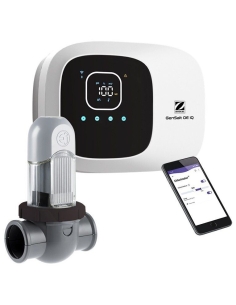
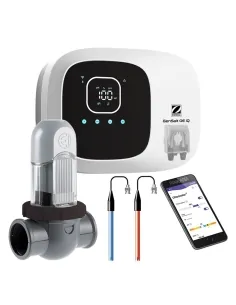
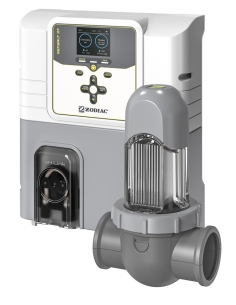
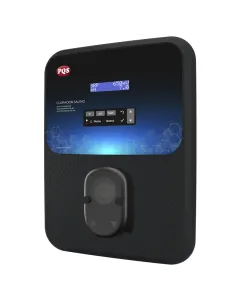
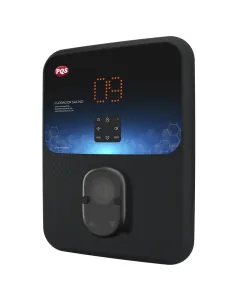
Salt Chlorinator Zodiac GenSalt OE iQ pH Evo
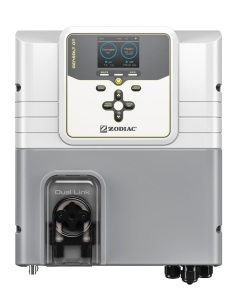
Clorador Salino Zodiac GenSat OT
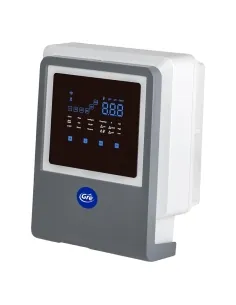
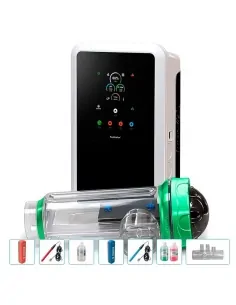
Gre Connected Salt Salt Chlorinator with pH
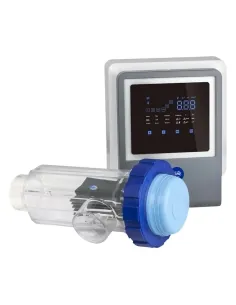
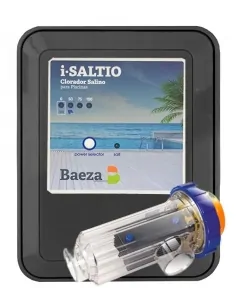
I-SALTIO Salt Chlorinator (New Model)
Salt Chlorinator Idegis Tecno S2
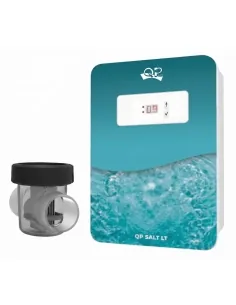
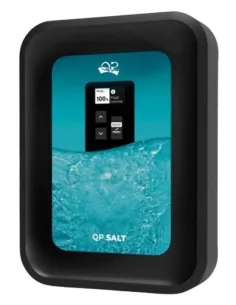
QP Salt One Salt Chlorinator
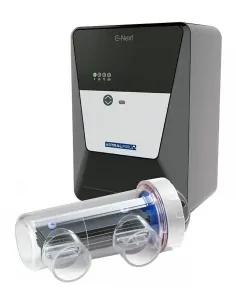
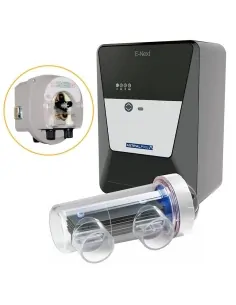
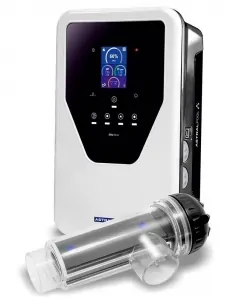
AstralPool E-Next Saline Chlorinator with E-Series pH Control
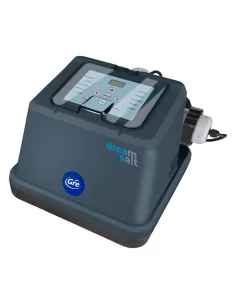
Gre One Salt Salt Chlorinator
Aquasphere OS Salt Chlorinator
Salt Chlorinator CTX Go Salt pH
Electrolysis Equipment Zodiac GenSalt OT
Salt Chlorinator Idegis Domotic S2 LS PLUS (pH + ORP)
Salt Chlorinator Idegis Tecno S2 PH
Salt Chlorinator Idegis Domotic S2
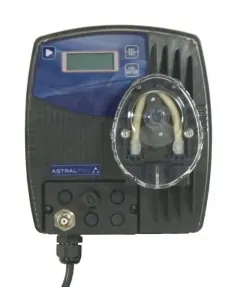
Control Basic Next AstralPool
AstralPool Basic Plus Control
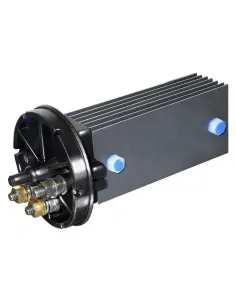
AstralPool Elite Connect Electrode
Salt chlorination and pH: The "freedom kit" for your pool
If you are looking for true independence in the maintenance of your swimming pool, the combination of a salt chlorinator with pH regulator is the essential equipment. Even before an automatic pool cleaner, this system is the heart of a healthy pool: it automates disinfection and chemical balancing so that you can forget about chlorine tablets forever.
It is common to delegate the superficial cleaning of the pool or the passage of the leaf cleaner to the youngest members of the household so that they can collaborate in household chores. However, the treatment with chemical products, the handling of chlorine or the shock chlorination are delicate tasks that we never delegate to them. A salt chlorinator removes that responsibility from adults, automating a process that otherwise requires constant attention and handling of hazardous substances.
| Why automate? | Traditional Chlorine (Manual) | Salt Chlorination + pH (Automatic) |
|---|---|---|
| Initial investment | Low (only purchase of chemical product). | Affordable: Similar to the cost of a robot cleaner. |
| Long-term cost | High and constant in chemicals. | Low: Only salt, acid and electrode replacement. |
| Community Management | Dependence on technicians or neighbors and more external visits. | Self-employed: Fewer visits and lower maintenance costs. |
| Bathroom comfort | Strong odor and frequent eye irritation. | Soft and crystalline water. No eye irritation. |
| Equipment maintenance | None (beyond the pump). | Cell replacement every 4-7 years. |
The ultimate solution for Neighborhood Associations
In communities where there is no single owner in charge, water management is often a headache. Salt chlorination with automatic pH is the best option to save costs in maintenance services. As the system is automated, the visits of the external technical service can be spaced out, which reduces the monthly bill of the community.
The risk of water spoilage due to lack of daily attention is eliminated. All the neighbors want to enjoy the pool, but no one wants to be responsible for the chlorine. With this kit, the community gains peace of mind and water quality.
What almost no one tells you: The reality of the cell
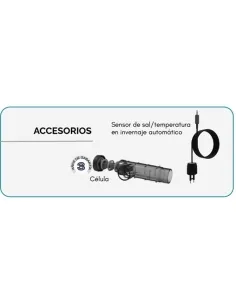
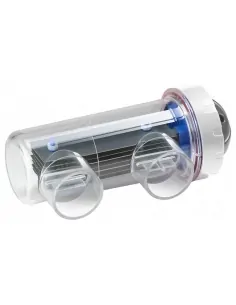
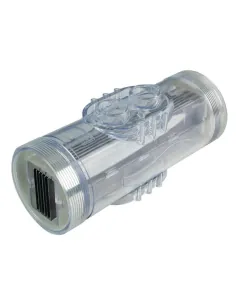
We want you to buy with all the information. Salt chlorination has one critical component: the electrolysis cell. Depending on water hardness and usage, it should be replaced every 4-7 years.
It is true that the price of the replacement may seem high when paid in a single purchase, but the reality is mathematical: the cost is less than the total cost of chemical chlorine during the same period. The savings are there, they just manifest themselves in a different way.
And most importantly: What doesn't show up on the bill is the time savings and the peace of mind of knowing that your pool is always perfect, without effort or oversight. That value is what really makes the difference. Remember: a well-controlled pH is the best insurance to stretch the life of the cell to the maximum.
Buy salt chlorinators from top brands
- AstralPool salt chlorinators
European leader. Robust equipment with the largest spare parts and service network in the market.
- Saline chlorinators Zodiac
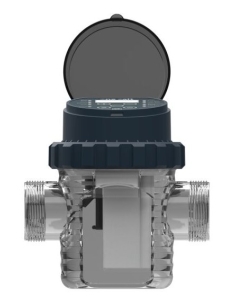
Pure innovation. Intelligent systems with connectivity to control your pool from your cell phone.
- Saline chlorinators Idegis
National manufacture. Very reliable, value for money and excellent technical support.
- QP salt chlorinators
Simple and effective solutions for residential pools looking for durability without complications.
- Saline chlorinators CTX Professional
Technical range designed to maximize electrode life and chemical performance.
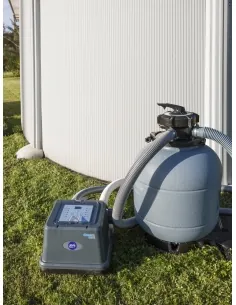
- Saline chlorinators Gre
The best option to automate the treatment of aboveground and aboveground pools.
David's advice
Many customers ask me if it is really worth the initial outlay compared to the traditional tablet system.
"For a private pool, the equipment is sized to its volume and has very affordable prices, often similar to the cost of a good robot pool cleaner. If you have a second home or live in a community, the chlorinator pays for itself by preventing the water from spoiling due to lack of daily attention. In the end, the peace of mind of knowing that the pool is always ready for swimming without you having to do anything is the most real return on investment there is."
Frequently asked questions about salt chlorination
What maintenance does a salt chlorination system require?
Maintenance is very simple and can be summarized in three points: add salt at the beginning of the season to compensate for the loss of water due to filter washings, check that the pH reducer canister has enough product and visually verify that the equipment is producing chlorine correctly. Unlike manual chlorine, it does not require aggressive daily or weekly attention.
How is the maintenance of the chlorinator electrodes performed?
It is recommended to clean the electrodes annually with a specific descaler to remove scale deposits. This is vital to extend the life of the cell and to optimize the electrical consumption. Although it is the key to the equipment lasting longer, to be honest, many users only perform this cleaning when the chlorinator shows a warning of lack of production.
How often should salt be added to the pool?
Salt is not evaporated or consumed in the electrolysis process; it is kept in a closed cycle. Therefore, it is only necessary to add salt (usually a couple of sacks) once a year to replenish the salt that is lost during filter cleaning, bather use or overflow due to rain.
How long does a salt chlorinator cell last?
The lifetime of a cell or electrode typically ranges from 3,000 to 10,000 operating hours. In a particular pool with standard use, this translates into a life of 4 to 7 years. Keeping the pH under control is the most important factor in preventing scale from degrading the electrode prematurely.
Are you hesitating with the choice of system and its production capacity?